
Speed Limits in Dubai – Road by Road Guide + Fines & Black Points

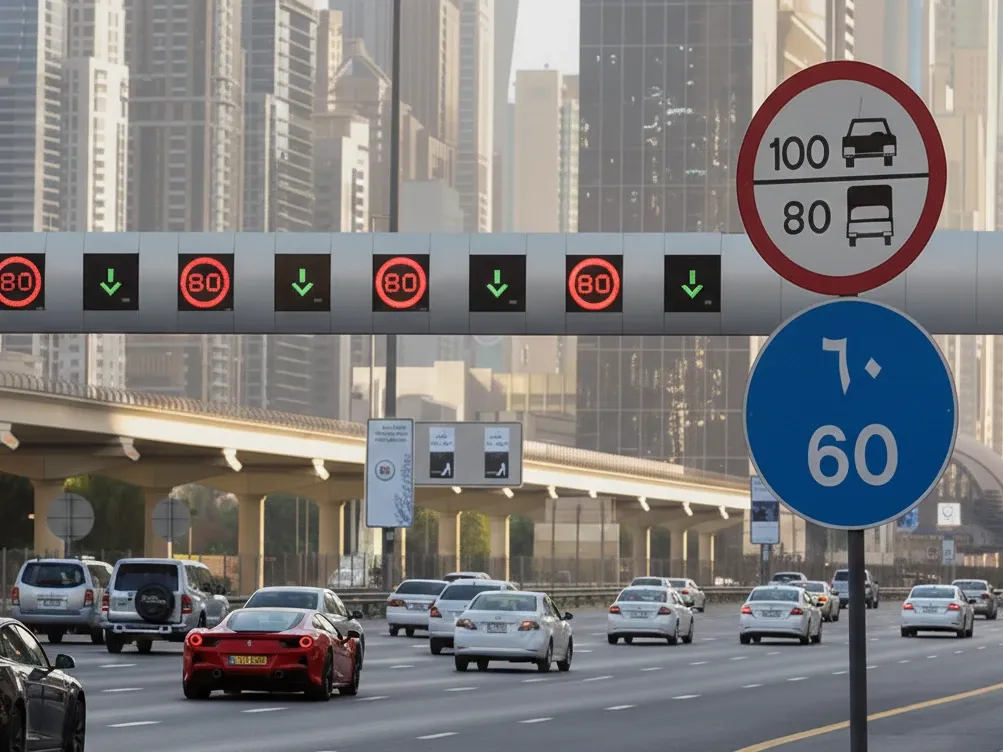
Dubai's roads are world-class, smooth, fast, and built for performance. Whether you're cruising Sheikh Zayed Road in a Lamborghini or exploring the coastal routes in a luxury SUV, the driving experience here is unmatched. But there's a catch: speed enforcement is just as sophisticated as the roads themselves.
Cameras are everywhere. Speed limits change in real-time on electronic signs. Miss a limit change near an exit, and you'll get a fine before you even realize what happened. Penalties range from AED 300 for minor infractions to AED 3,000 for serious violations, with potential vehicle confiscation, black points, and airport problems for unpaid fines.
Here's what makes this tricky: limits can drop from 120 km/h to 80 km/h within seconds. Electronic signs adjust during fog or traffic. School zones activate at specific hours. Construction zones appear with temporary restrictions. The 20 km/h tolerance everyone talks about? It's not guaranteed, and relying on it is risky.
Whether you're a resident, tourist, or renting a high-performance vehicle from companies like Solid Cars Dubai, understanding these rules isn't optional-it's essential. The difference between an unforgettable drive and a costly mistake comes down to knowing where limits change, how cameras operate, and what those signs really mean.
This guide breaks down everything: speed limits on every major Dubai road, the complete fine structure, black points system, special enforcement zones, and practical strategies to avoid violations while enjoying the drive.
Drive with confidence. Drive with knowledge. Drive smart.
Understanding Dubai's Speed Limit System
Speed limits in Dubai are posted on electronic and physical signs in both Arabic and English. The RTA sets these limits based on road type and traffic conditions, with enforcement through fixed cameras, mobile radars, and smart AI systems.
What makes Dubai different:
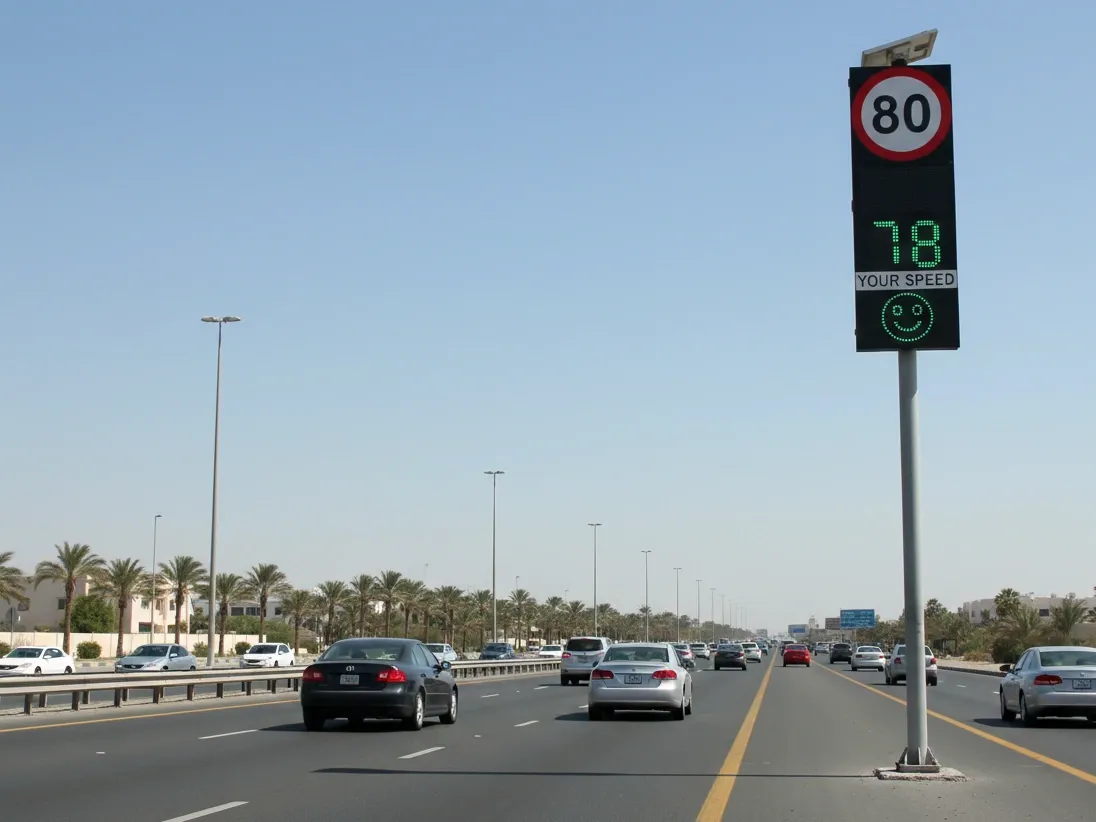
Electronic signs change limits in real-time. You might see 120 km/h on Sheikh Zayed Road during normal conditions, but during fog or heavy traffic, that drops to 80 km/h or 60 km/h. These aren't suggestions—they're enforceable limits.
Speed limits can change dramatically within short distances. You're cruising at 120 km/h on the highway, then suddenly it's 80 km/h near an exit. Missing these changes is the most common reason drivers get fined.
The 20 km/h Buffer – Truth vs Myth
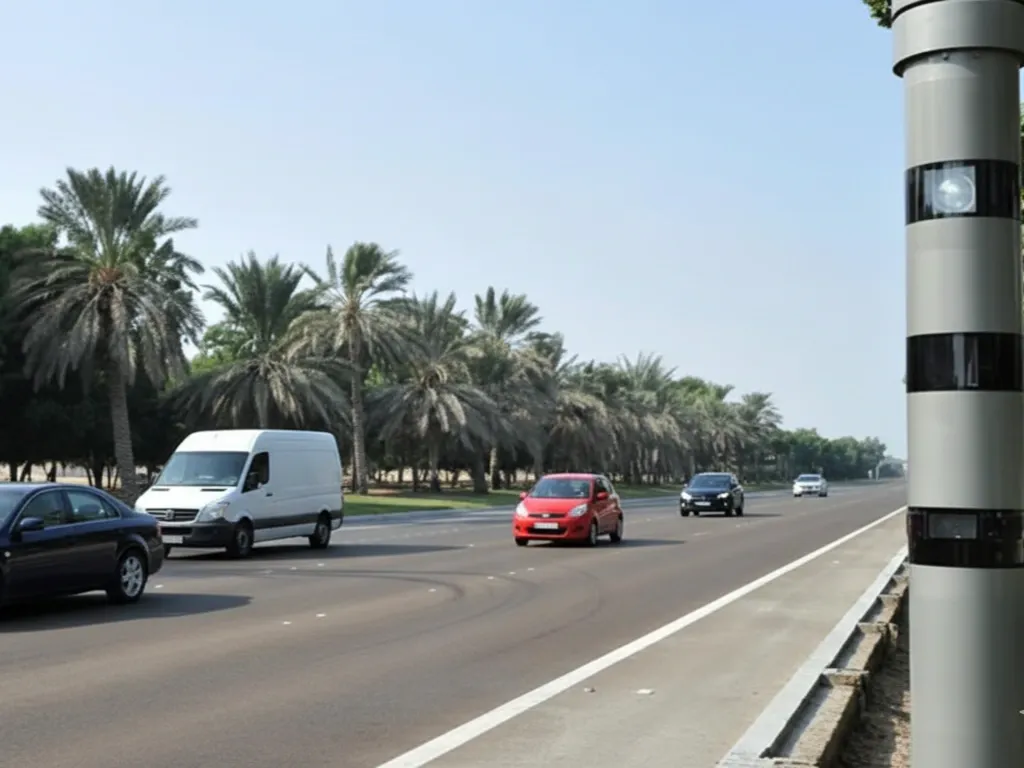
Dubai has an unofficial 20 km/h tolerance over posted limits before cameras flash. If the limit is 100 km/h, you might not get fined until 121 km/h. But here's the problem: not all cameras use the same buffer. Some flash at just 10-15 km/h over, especially in school zones and construction areas.
Our advice: Don't rely on the buffer. Stick to posted limits. The few minutes you save aren't worth a AED 300-3,000 fine.
Speed Limits by Road Type
Major Dubai Roads – Speed Limits Breakdown
Sheikh Zayed Road (E11)
Sheikh Zayed Road is the backbone of Dubai, running from Jebel Ali in the west all the way to Sharjah in the north. This is the road you'll use most often if you're commuting or traveling between major areas of the city.
What to watch: Speed drops to 100 km/h near Dubai Marina and JBR exits. Many drivers miss this and get flashed. Electronic signs adjust limits during peak hours—these are enforced. Cameras every 2-3 km throughout.
Al Khail Road (E44)
Al Khail Road runs parallel to Sheikh Zayed Road, connecting Jebel Ali to Academic City and beyond. It's often less congested than E11, making it a popular alternative for those who know the city well.
What to watch: Fewer lanes mean traffic bunches up. Speed drops near residential areas. Heavy camera coverage.
Mohammed Bin Zayed Road (E311)
Mohammed Bin Zayed Road is Dubai's outer ring road, connecting the city to Sharjah and the northern emirates. It's popular for avoiding the congestion of E11 while still maintaining highway speeds.
What to watch: Construction zones appear frequently with temporary 80 km/h limits. Cameras in these zones are strictly enforced.
Dubai-Al Ain Road (E66)
This major highway connects Dubai to Al Ain city and features some of the highest legal speed limits in the UAE.
What to watch: One of few roads with legal 140 km/h sections. Long straight stretches make speeding easy—stay alert. Speed drops significantly approaching Al Ain.
Jumeirah Beach Road
This scenic coastal road runs parallel to Dubai's famous beaches and sees heavy pedestrian and tourist traffic.
What to watch: Constant pedestrian crossings. Speed drops suddenly near beach parking. Cameras at all major beach areas.
Dubai Marina & JBR
The Marina area features dense urban development with constant pedestrian activity and complex traffic patterns.
What to watch: Heavy pedestrian activity, valet zones, delivery trucks. Cameras at every major junction. The 40 km/h limit is necessary for safety.
Dubai Speed Fines & Black Points
Complete Fine Structure
Black Points System
Key facts: Black points expire after 1 year from violation date. For tourists, points don't transfer to home licenses, but you still pay all fines. Unpaid fines can prevent you from leaving UAE.
Special Speed Zones
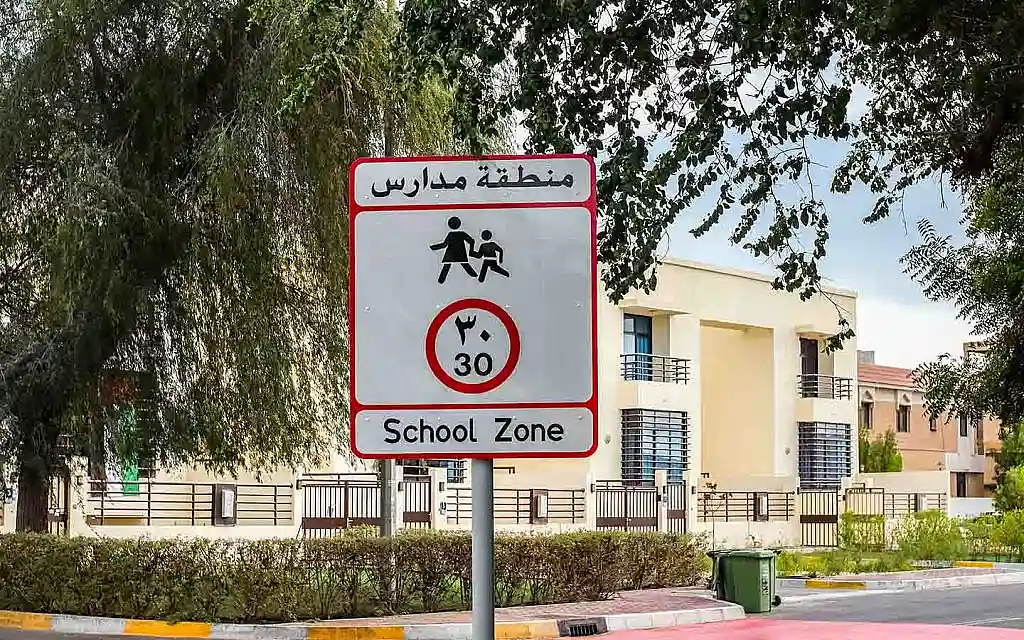
School Zones
Speed Limit: 40 km/h Active Hours: 6:30-8:30 AM, 1:30-3:30 PM (school days only)
Important: Cameras only active during these hours. Fines can be doubled.
Construction Zones
Speed Limit: Usually 60-80 km/h (posted on orange signs)
Important: Temporary limits with heavy enforcement. Orange signs override regular limits.
Variable Speed Limits (Fog/Rain)
Electronic signs reduce limits during poor weather, typically to 80 km/h or 60 km/h. These are fully enforced—cameras will flash.
How to Avoid Speed Fines
Use navigation apps: Waze shows current speed limits and alerts you to cameras. The RTA Dubai Drive app provides official speed limit data.
Set cruise control: On highways with consistent limits (like 120 km/h sections), cruise control helps maintain speed without constantly watching the speedometer.
Watch for limit changes: Speed limits drop near exits, residential areas, and schools. Stay alert for changing signs.
Don't follow traffic flow: Just because everyone's doing 140 km/h doesn't make it legal. Cameras flash everyone over the limit.
Check for fines regularly: Use Dubai Police app or RTA website to monitor violations. Early payment may qualify for discounts during special campaigns.
What to Do If You Get a Fine
Verify the fine: Check details via Dubai Police app, RTA website, or SMS confirmation. Confirm vehicle plate, date, location, and amount.
Pay promptly: Use Dubai Police app (easiest), RTA website, police stations, or authorized kiosks. No official deadline, but unpaid fines prevent vehicle registration renewal and can stop you at the airport.
For rental cars: Rental companies receive the fine and charge your card plus admin fees (typically AED 50-100 per violation).
Frequently Asked Questions
1. What happens if I don't pay a speeding fine?
Unpaid fines prevent vehicle registration renewal. For tourists, they can stop you at the airport when leaving UAE. Rental companies will charge your card automatically.
2. Can I get a discount on fines?
Yes. Dubai occasionally offers 25-50% discount campaigns during National Day or Ramadan. Check Dubai Police announcements.
3. Do cameras work at night?
Yes. All cameras operate 24/7 with infrared technology for night detection.
4. Will speeding affect my insurance?
Multiple violations or serious speeding can increase insurance premiums when renewing.
5. Can I challenge a fine?
Yes, but success is rare. Visit Dubai Police Traffic Department with evidence. Only challenge if you have strong proof (wrong vehicle, malfunctioning camera).
6. Are there speed cameras on all Dubai roads?
Not all, but coverage is extensive on highways and main roads. Mobile radars can appear anywhere.
7. What's the highest speed limit in Dubai?
140 km/h on certain sections of Dubai-Al Ain Road (E66). Most highways are 100-120 km/h.
8. Do I get black points as a tourist?
Points are recorded but don't transfer to your home license. However, you still pay all fines, and unpaid fines cause problems at departure.
Final Tips: Drive Smart in Dubai
Speed limits exist for safety - yours and everyone else's. Dubai's camera system is highly advanced, and fines are automatic. The 20 km/h buffer isn't guaranteed, and relying on it is risky.
Remember:
- Watch for electronic speed signs—they override regular limits
- Speed limits change near exits and residential areas
- School zones drop to 40 km/h during active hours
- Construction zones have temporary reduced limits
- Use navigation apps to stay informed
Drive at posted limits, stay alert for changes, and enjoy Dubai's world-class roads the right way.