
How Dubai Became a Global Lifestyle Destination
From its trading port roots to a world-class skyline and luxury lifestyle scene, discover how Dubai became one of the most visited cities on earth.

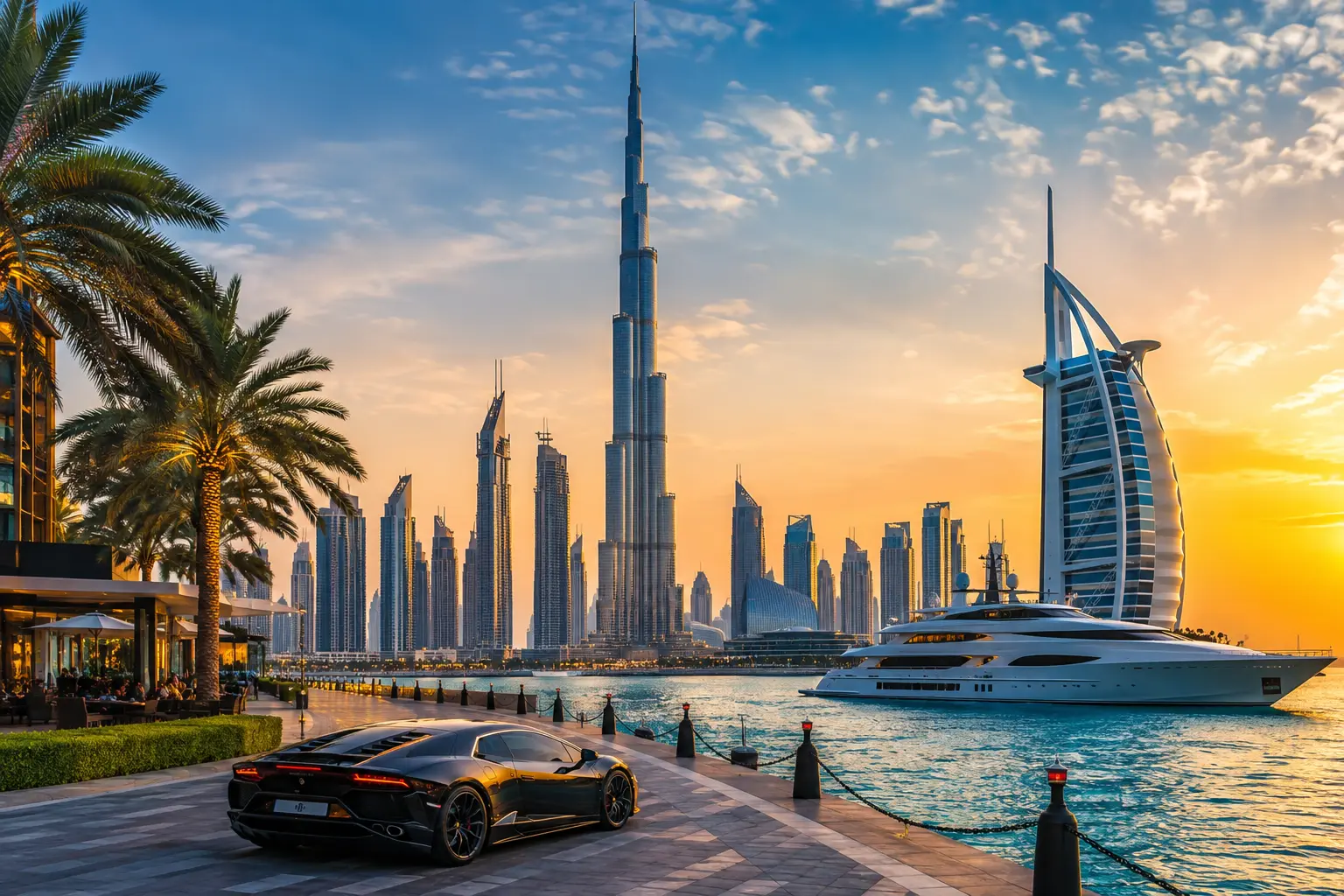
Several decades ago, Dubai was a relatively small trading and commercial centre on the edge of the Arabian Gulf, shaped by a long history of maritime trade and pearling. Today, it stands as one of the world's most recognisable cities, known for its dramatic skyline, luxury lifestyle, and a fast-paced blend of business and leisure that draws millions of visitors each year.
This transformation did not happen by chance. It was built over decades through ambitious infrastructure investment, bold urban planning, and a deliberate, long-term tourism strategy. This is the story of how Dubai evolved from a modest port town into a global lifestyle capital, and what that evolution means for anyone planning to experience the city today.
From Trading Post to Global Icon
Oil revenues in the 1960s provided important capital for Dubai's early infrastructure expansion, while its leadership simultaneously pursued trade, transport, and tourism diversification, aware that the emirate's own reserves were modest compared to neighbours like Abu Dhabi and Saudi Arabia. That early wealth went into ports, airlines, and free-trade zones. Jebel Ali Port became one of the largest man-made harbours in the world, Emirates Airline turned Dubai into a global connecting hub, and free zones like Dubai Internet City and Dubai Media City were established to attract technology, media, and international companies. By the time the 2000s arrived, Dubai wasn't just a stopover between Europe and Asia — it was a destination in its own right.
Iconic Architecture and a Skyline Built to Impress
No conversation about Dubai's global appeal skips the skyline. The Burj Khalifa, the Palm Jumeirah, and the sail-shaped Burj Al Arab weren't built purely for function; they were built to make a statement, and it worked. Each structure became a piece of marketing as much as architecture, generating headlines and interest long before the buildings were even finished. That strategy has continued into newer developments like Dubai Creek Harbour and Bluewaters Island, where design is treated as a tourism asset in its own right. For visitors, it means the city itself is an attraction; you don't need a ticketed event to be impressed, just a decent vantage point and, ideally, the right car to get there.
World-Class Shopping, From Mega Malls to Independent Finds
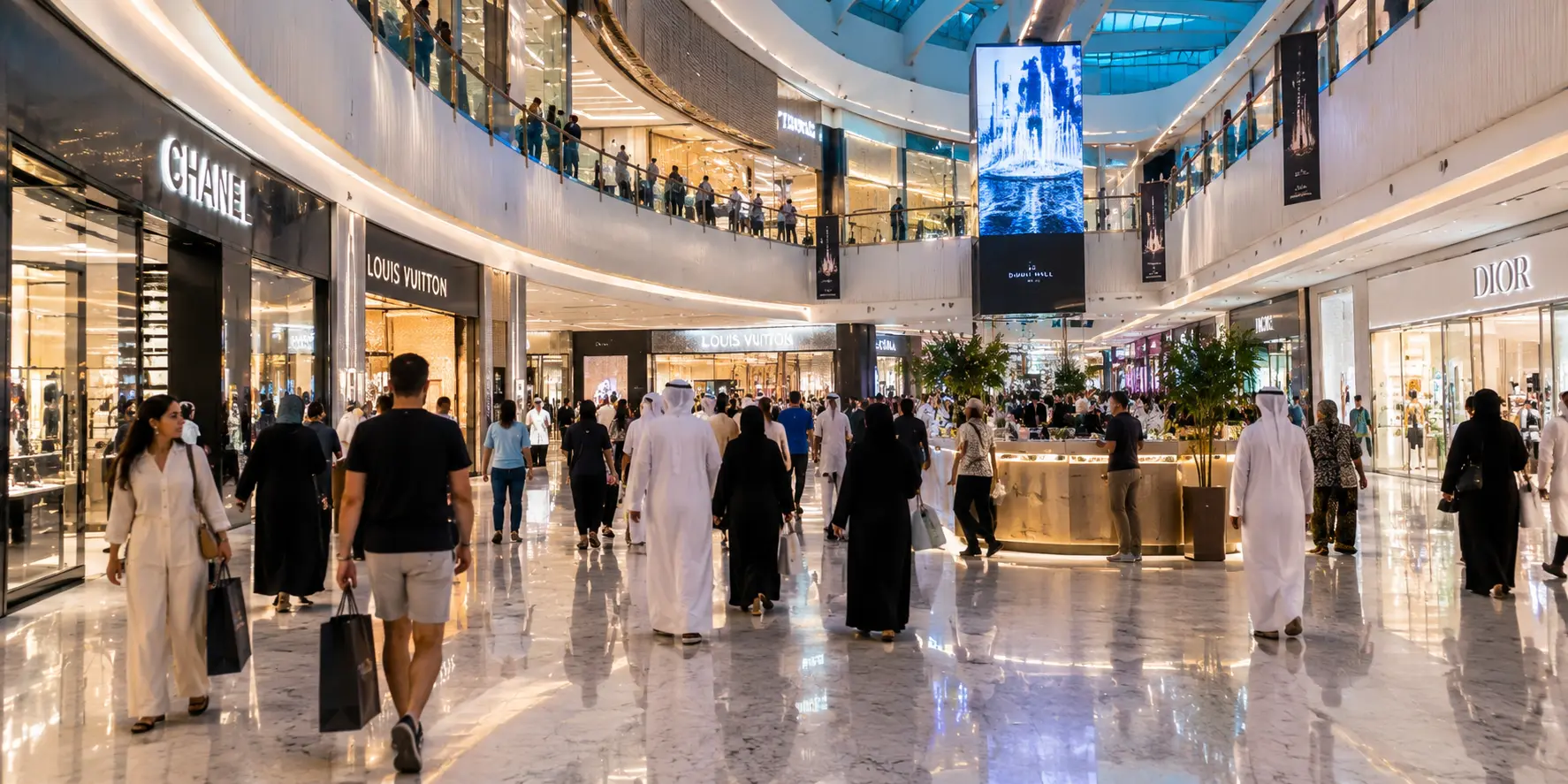
Retail has always been part of Dubai's DNA — the city's early wealth came from trade, after all — and it shows. The Dubai Mall and Mall of the Emirates turned shopping into a full-day activity, complete with aquariums, ski slopes, and fountain shows. But the more interesting shift in recent years has been the growth of a genuine independent retail scene: concept stores, homegrown fashion labels, and design-led boutiques tucked into neighbourhoods like Al Quoz and Jumeirah.
If you want a fuller picture of where to shop beyond the obvious names, our Dubai shopping guide to malls, souks, and hidden gems breaks down both the flagship malls and the smaller finds that don't make it into most tourist itineraries.
Fine Dining, Beach Clubs, and a Vibrant Nightlife Scene
Dubai's food and nightlife scene has matured dramatically over the past decade. What used to be mostly hotel restaurants is now a proper dining city, with chef-led openings, a significant Michelin Guide restaurant scene, and a beach club culture that rivals Miami or the French Riviera. Venues along Jumeirah Beach Residence and Palm Jumeirah compete not just on service and setting but on arrival. If that's the kind of afternoon you're planning, our guide to the best beach clubs in Dubai covers where to go and what to expect once you're through the door.
Hospitality Built Around the "Best in the World" Mindset
Hotels are where Dubai's lifestyle ambitions are most obvious. Dubai's hospitality strategy has focused on creating highly distinctive luxury properties, from the iconic Burj Al Arab — famously marketed and widely described as a "seven-star" hotel, although seven-star is not an official hotel classification — to large-scale resorts such as Atlantis The Palm and Atlantis The Royal, along with residences offering private beaches, butler service, and helicopter pads. That mindset has attracted every major luxury hospitality brand, from Armani and Bulgari to One&Only and Address, each competing to out-do the last opening. For travellers weighing where to actually stay, our roundup of Dubai's most luxurious hotels worth the splurge is a useful starting point, covering everything from signature suites to the driving routes to get there in style.
Events, Culture, and a Calendar That Runs All Year
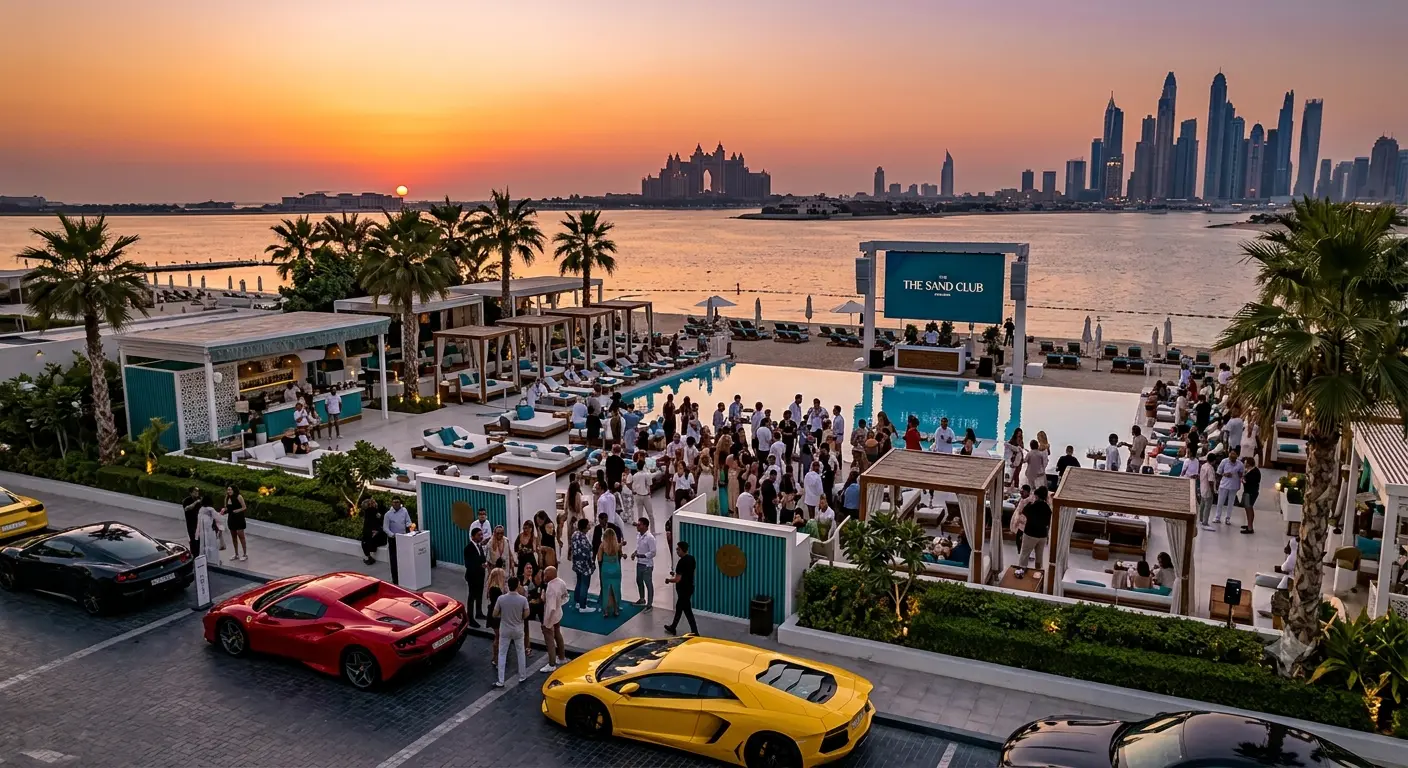
Dubai has also built its lifestyle reputation through programming. The Dubai Shopping Festival, Art Dubai, and a packed calendar of car meets, motorsport weekends, and pop-up experiences keep the city in constant motion. Add to that Expo City Dubai's ongoing legacy projects and continued investment in sustainability — including solar power generation, green building codes, and expanding EV charging infrastructure — and it's clear Dubai isn't resting on its early 2010s reputation. The city is still actively building the next reason to visit.
Exploring Dubai by Car
All of this — the skyline, the shopping, the beach clubs, the hotels — is easier to enjoy with your own vehicle. Dubai has an extensive modern road network connecting its major residential, commercial, and tourism districts, and the city's car culture is very much part of its identity. That said, driving isn't the only way to get around: Dubai Metro, taxis, and ride-hailing services cover most major tourist areas well.
Renting a Lamborghini, Ferrari, or Mercedes-AMG for a day is simply a different way to experience the city — valet arrivals feel different, coastal drives along the Palm feel different, and getting from a downtown dinner to a Marina beach club becomes part of the experience rather than just a logistics step. For travellers who want that option, renting a luxury car in Dubai with Solid Cars is one way to do it, with vehicles delivered directly to your hotel or residence.
Conclusion
Dubai's evolution into a global lifestyle destination wasn't a single decision; it was decades of compounding investment in architecture, hospitality, retail, and experience design. Whether you're visiting for a long weekend or relocating for good, the city rewards a bit of intentionality: pick the right neighbourhoods, book the right table, and if it suits your trip, get behind the wheel of something that matches the skyline.
Frequently Asked Questions
1. What made Dubai transition from a trading port to a global destination?
Dubai invested oil-era wealth into ports, aviation, and free trade zones instead of relying on oil long-term. Combined with landmark architecture and strong tourism marketing, this turned the city into a global hub.
2. Is Dubai an expensive city to visit?
Dubai suits almost any budget, from five-star hotels and luxury rentals to budget stays and free attractions. Costs depend largely on the choices you make.
3. What's the best way to see Dubai's skyline and coastline?
A mix of viewpoints works best, including the Burj Khalifa observation deck, a boat ride along the Marina, and a drive along Sheikh Zayed Road or the Palm. Each offers a different perspective, and having your own vehicle opens up routes that public transport doesn't reach.
4. When is the best time of year to visit Dubai for lifestyle experiences?
November to March offers the most comfortable weather for outdoor dining and beach clubs. Summer is hotter but comes with lower prices and quieter attractions.
5. Do I need a car to enjoy Dubai's lifestyle scene, or is public transport enough?
Public transport covers the main tourist areas well, but a car gives you considerably more flexibility — from beach clubs and scenic coastal drives to desert resorts, east coast road trips, and weekend getaways beyond the city. A rental is worth considering for anything beyond the standard tourist circuit.